Gifts that create memories
Gifts that really stick come from a shared moment, a personal message or spreading things out over time; and that spreading is especially powerful, as with Wishly,
Carmen Molendijk ·
The nicest compliment a gift can get, in our view, isn't "oh, how lovely", but "we'll never forget this". Gifts that create memories do something most products can't: they become part of a story.. how cool is that?!
What is the difference between a gift and a memory?
A gift is an object or a moment. A memory is what is left after the moment has passed. Not every gift becomes a memory, but every gift has the potential. The difference lies in how consciously the gift is built; as we wrote earlier about how to find a unique gift, it is often not about the price, but about the personal message or the story behind it.
Three ways gifts create memories
- Through a shared moment. An experience you go through together (such as a day out), often sticks longer than an object you receive on your own.
- Through a personal message. Words written specifically for the recipient evoke a memory every time they are read again.
- Through spreading over time. A gift that stretches over days, instead of a single moment, creates not one memory but a series of moments that together form a story.
Why spreading is so powerful
Most gifts are unwrapped in a few minutes and then largely forgotten. A gift that stretches over several days, like a diary with daily messages, or a series of small surprises, stays top of mind much longer. Every day becomes a new moment to look forward to. That is also exactly why a gift without stuff doesn't necessarily feel bare: attention that keeps coming back weighs more than an object that is unwrapped only once.
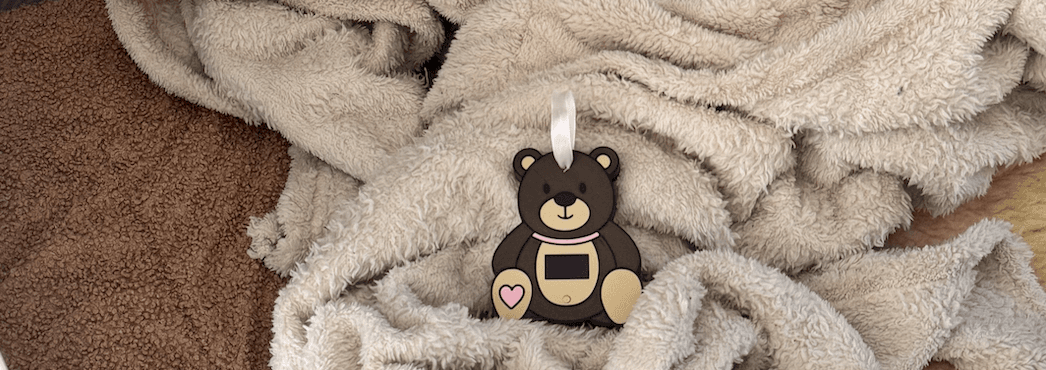
This is exactly the idea behind Wishly: instead of one message, you write several personal wishes, for anything from three up to fourteen days. Every day the recipient discovers a new one, built into a WishTree, WishBear or WishFlower. Not one memory, but an accumulation of small, meaningful moments, and those are exactly the kind of gifts people keep for years instead of tucking away.
Who does this work best for?
Gifts that create memories are especially valuable at big life moments: a farewell, a move, a birth, a wedding, or simply a period in which someone could use extra support. But in everyday life too, as a surprise for no particular reason, they can certainly make an impact, even for someone who already has everything, daily attention is something nobody has given them yet.
In conclusion
A gift that becomes a memory is no coincidence. It is the result of a conscious choice for personal attention over a period of time!